

How to Make Easy Sourdough Starter

March 22, 2026
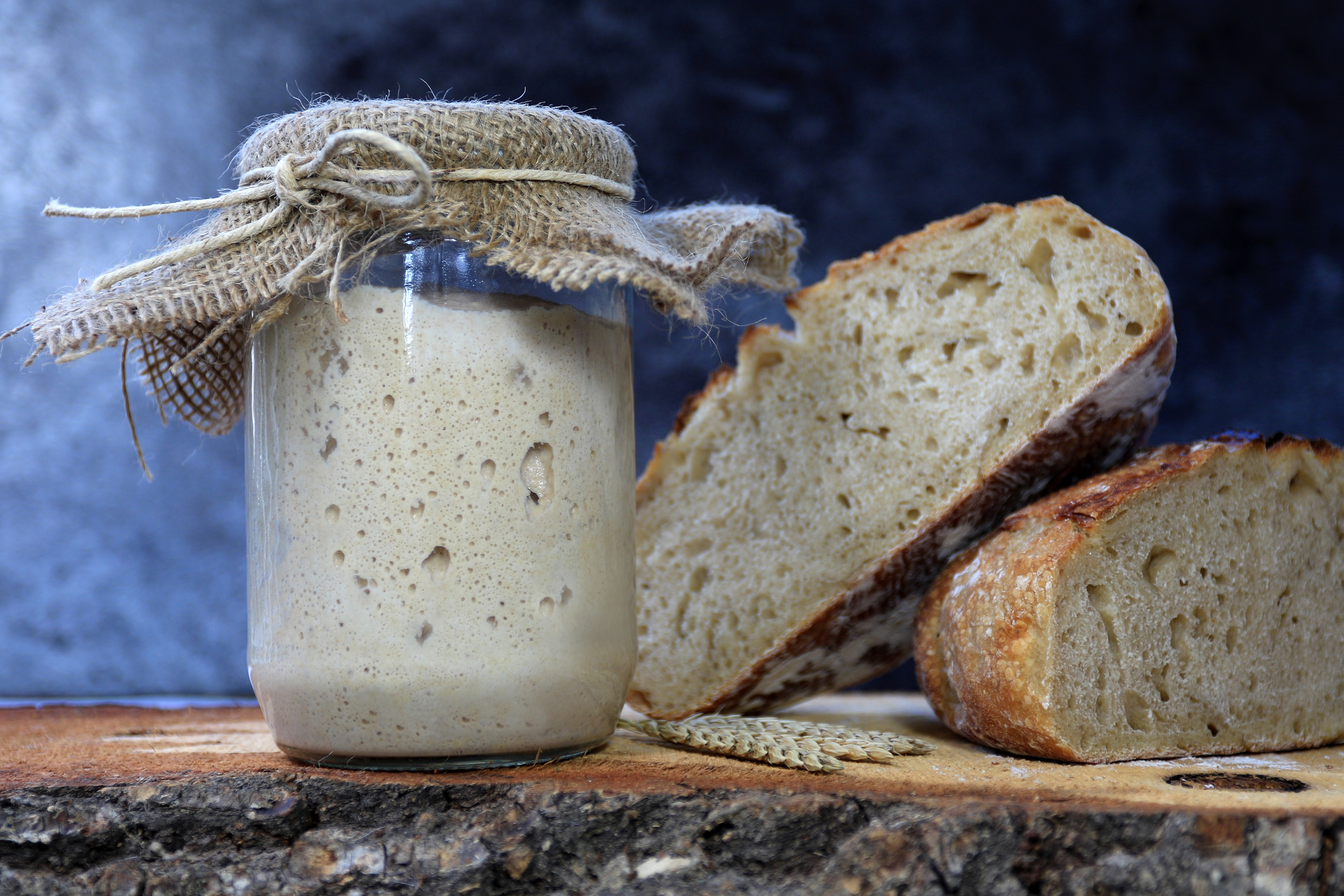
🥖 Easy Sourdough Starter (That Actually Works)
There’s a lot of unnecessary drama around sourdough starters. People make it sound like you need a degree in microbiology and a sacred feeding ritual just to keep one alive. You don’t.
A sourdough starter is simply flour and water capturing wild yeast from the environment. That’s it. Once you understand that, it stops being intimidating and starts being practical.
This method is straightforward, reliable, and designed for real kitchens, not Instagram perfection. If you can stir flour and water, you can make this work.
💡 Tips for Success
✔ Use regular flour to start
You can use all-purpose or whole wheat. Whole wheat tends to kick things off faster because it has more natural yeast.
✔ Consistency matters more than perfection
Feed your starter regularly, but don’t stress about exact times. A few hours one way or another won’t kill it.
✔ Look for activity, not just bubbles
Bubbles are nice, but what you really want is rise and fall. That tells you your starter is alive and strong.
✔ Smell it
A healthy starter should smell slightly tangy, like yogurt or mild vinegar. If it smells foul or rotten, something went wrong.
✔ Temperature makes a difference
Warm kitchens help starters grow faster. If your house is cold, be patient or find a slightly warmer spot.
✔ Don’t overfeed early on
In the beginning, your starter is still developing. Feeding too much too soon can dilute the natural yeast you’re trying to build.
✔ It will look weird before it looks right
Expect strange smells, odd textures, and inconsistent activity in the first few days. That’s normal. Stick with it.
✨ Final Thought
Once your starter is active and predictable, it becomes one of the most useful things you can keep in your kitchen. Bread, pancakes, flatbreads… it opens the door to all of it.
How to Make the Starter
Day 1:
Mix 60 grams rye flour + 60 grams filtered room-temperature water in a jar. Stir well, cover loosely, and leave at room temperature.
Days 2–7 (until active):
Discard half and feed daily with:
• 60g flour
• 60g water
Your starter is ready when it becomes bubbly, doubles in size, and smells slightly tangy.
How to Store Your Starter
Once active, store it in the refrigerator and feed it once per week.
How to Wake Up Refrigerated Starter (for baking)
Remove from refrigerator.
Feed in the morning (flour + water).
Feed again at night.
Next day — if it rises and peaks, it’s ready to use.
If not fully active, feed once more and use when bubbly and doubled.
For my sourdough bread recipe you will need 350 grams of active starter.
This simple process gives you a powerful natural yeast you can use for sourdough bread, pizza dough, pancakes, and more.
Leave a Reply