

How to Make Sourdough Bread

March 22, 2026
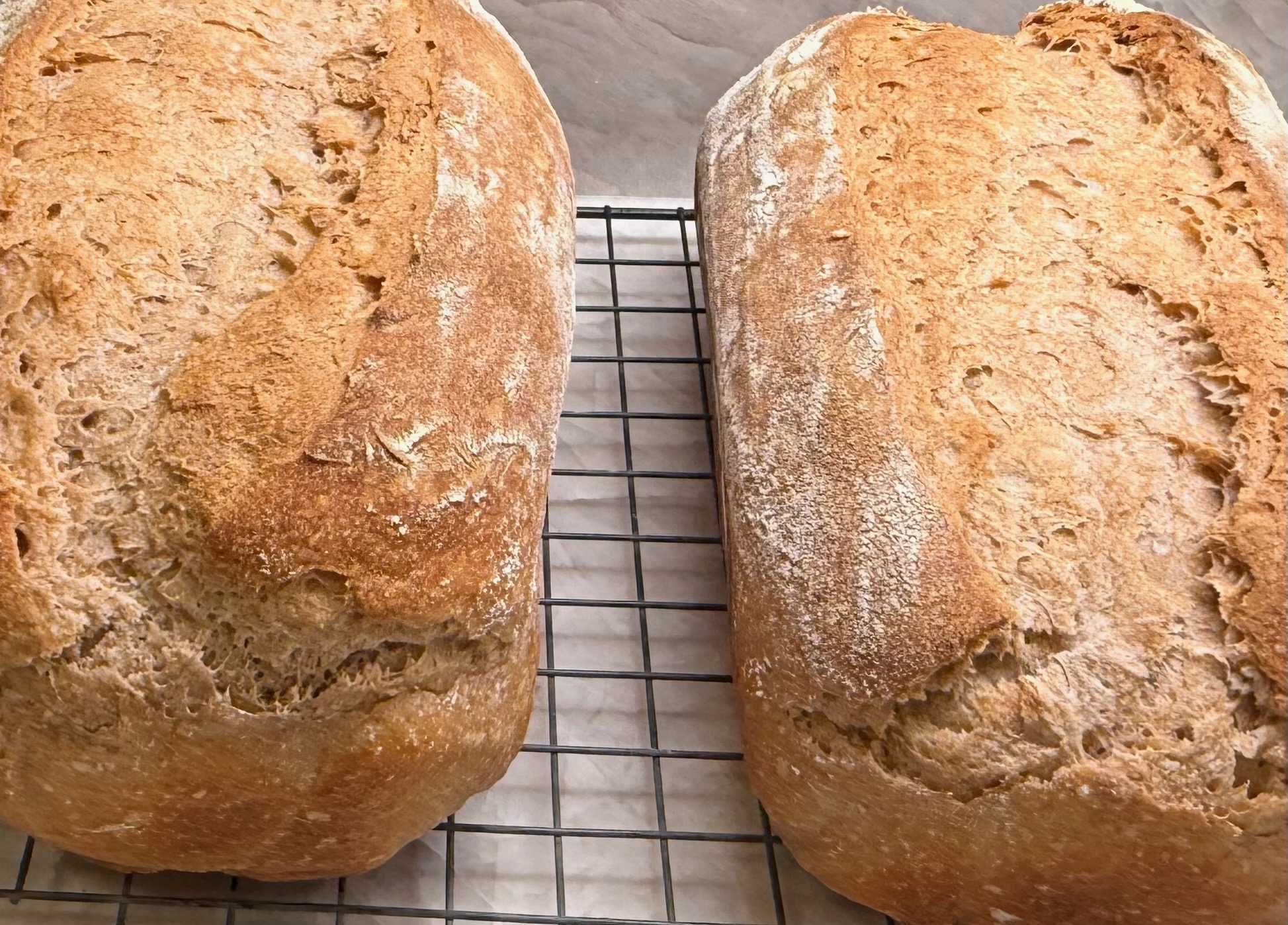
How to Make Classic Sourdough Bread
Making sourdough bread has a reputation for being complicated, but once you understand the rhythm of it, it’s actually very straightforward. It’s not about perfection, it’s about paying attention.
This loaf is a great balance of structure and flavor. The combination of white and whole wheat flour gives you a bread that’s hearty without being heavy, with a crisp crust and a soft, airy interior. It’s the kind of bread that works for everything, from a simple slice with butter to something more elaborate.
If your starter is active and you give the dough the time it needs, this method will deliver consistent, reliable results. No unnecessary steps, no overthinking, just good bread made the way it should be.
Flavor Profile
This bread has a crisp, golden crust with a slightly chewy bite and a soft, open crumb. The combination of white and whole wheat flour gives it a balanced flavor, lightly nutty with a gentle tang from the fermentation. It’s hearty without being heavy, and it works just as well with butter and jam as it does with savory dishes.
🔥 Tips for a Better Crust (That Crackly Finish)
✔ Steam is everything
Moisture in the first part of baking allows the crust to expand before it sets.
✔ Bake hot, then don’t touch it
Opening the oven too early kills oven spring.
✔ Let it bake fully
A deep golden crust = flavor. Pale bread = missed opportunity.
✔ Cool completely before slicing
Yes, it’s torture. But cutting too soon ruins the texture inside.
🧠 Tips for Getting Your Starter Ready
✔ Feed it 4 to 6 hours before using
You want it at peak activity, not just recently fed.
✔ Look for doubling in size
That’s your sign it’s strong enough.
✔ Do the float test (optional)
A spoonful should float in water, but don’t obsess over this.
✔ Smell matters
It should smell pleasantly tangy, not harsh or off.
✔ If it’s sluggish, wait
A weak starter will give you dense bread. Feed it again and give it time.
🧊 Storage Tips
✔ Room temperature
Store in a paper bag or wrapped in a towel for up to 2 days.
✔ Avoid plastic (at first)
It softens the crust too quickly.
✔ Freezing
Slice and freeze for up to 2 months. Toast straight from frozen.
✔ Reviving crust
Pop it in a hot oven for a few minutes to bring it back to life.
✨ Final Thought
Sourdough isn’t about perfection. It’s about learning to read your dough and trusting the process.
Once you get comfortable with that, this stops being a recipe and becomes second nature.
How to Make Classic Sourdough Bread
✅ Ingredients
Makes 2 large loaves
✔ 350 g active sourdough starter (1:1, fed with rye, whole grain, or whole meal)
✔ 700 g water
✔ 700 g bread flour or enriched white flour
✔ 300 g whole wheat flour
✔ 20 g salt
👩🍳 Instructions
1. Mix starter and water
Combine the starter with the water in a large bowl and stir until fully dissolved. Let it sit for a few minutes.
2. Add flours and salt
Add the bread flour, whole wheat flour, and salt. Mix until you have a shaggy dough with no dry flour remaining.
3. Bulk fermentation with folds
Set a timer and work in 30-minute intervals over 2½ hours:
30 minutes
1 hour
1½ hours
2 hours
2½ hours
At each interval, perform stretch-and-folds with wet hands. Lift one side of the dough, stretch it up, and fold it over. Rotate the bowl and repeat.
👉 You’ll see the dough transform from rough to smooth and elastic.
4. Proof
Cover and let the dough rest for 2 to 3 hours if baking the same day.
Look for about 50 to 75 percent growth in size. It should feel airy and slightly jiggly.
5. Shape
Divide and shape into loaves. Place into bannetons or loaf pans.
Let them rest again if needed until slightly puffed.
6. Bake
Preheat oven to 425 to 450°F (220 to 230°C).
Bake for 35 to 40 minutes.
Add steam for the best crust:
Spray oven walls
Place a tray of water inside
Or lightly mist the dough before baking
Leave a Reply