

How to Make Shrimp & Turmeric Rice

February 4, 2010
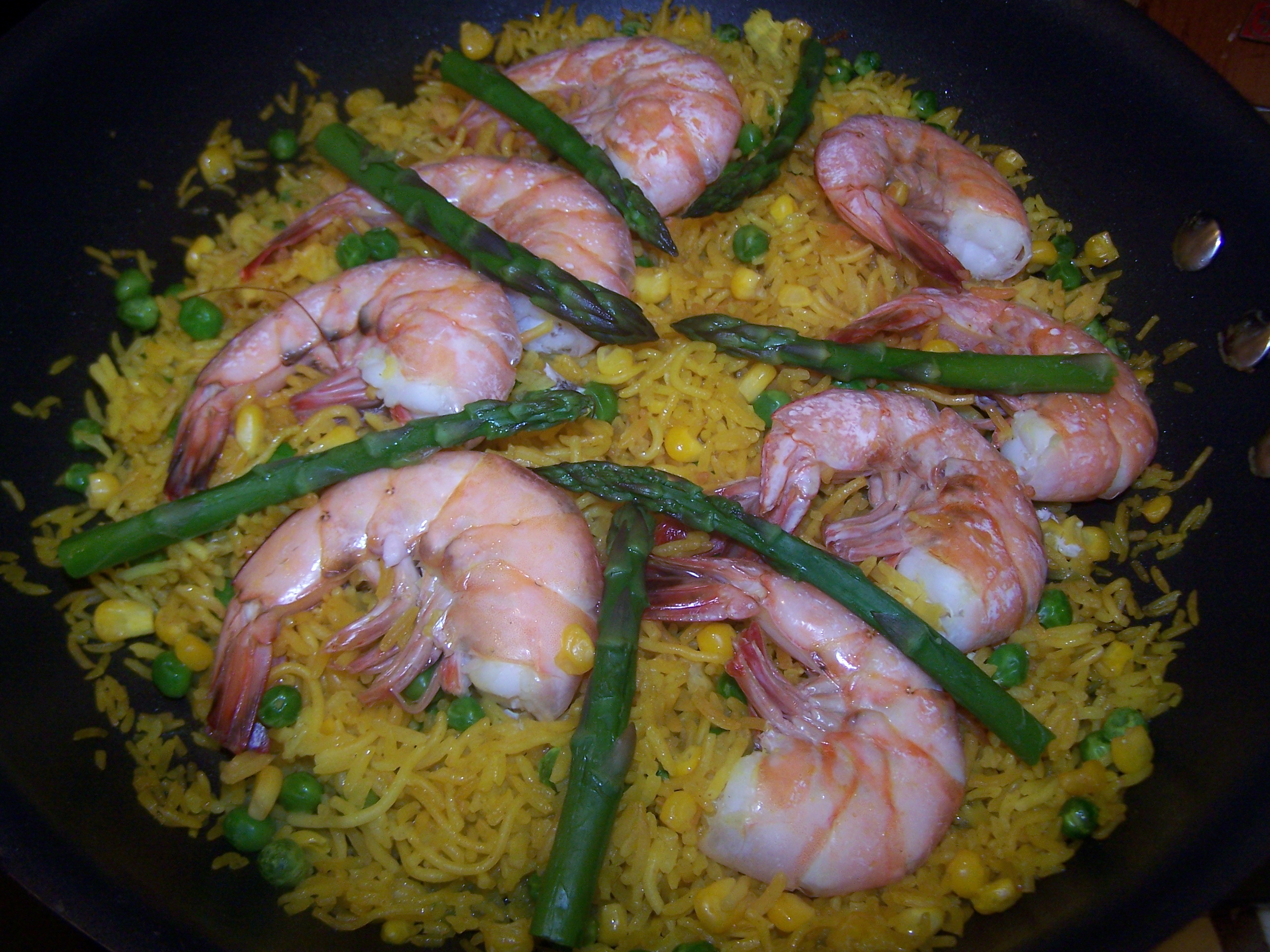
Turmeric, a vibrant yellow-orange spice, is derived from the root of the Curcuma longa plant. It has been used for centuries in traditional medicine and culinary practices, particularly in South Asian cuisine. Here are some key points about turmeric and its benefits:
Composition
- Curcumin: The primary active compound in turmeric, known for its powerful anti-inflammatory and antioxidant properties.
Health Benefits
- Anti-Inflammatory Properties:
- Curcumin helps reduce inflammation, which can benefit conditions such as arthritis and inflammatory bowel disease.
- Antioxidant Effects:
- Turmeric neutralizes free radicals, reducing oxidative stress and protecting cells from damage.
- Heart Health:
- It may improve heart health by enhancing the function of the endothelium (the lining of blood vessels) and reducing inflammation and oxidation.
- Cancer Prevention:
- Some studies suggest that curcumin can help prevent and treat various types of cancer by affecting cancer growth, development, and spread at the molecular level.
- Brain Health:
- Curcumin may increase brain-derived neurotrophic factor (BDNF), linked to improved brain function and a lower risk of brain diseases.
- Digestive Health:
- Turmeric aids digestion and can be beneficial in treating digestive disorders such as bloating and gas.
- Anti-Microbial Properties:
- It has natural antibacterial, antiviral, and antifungal properties.
Culinary Uses
- Spice in Cooking:
- Turmeric is a key ingredient in many dishes, adding flavor and color to curries, soups, and rice dishes.
- Beverages:
- Used in golden milk (turmeric latte) and smoothies for its health benefits.
Tips for Use
- Absorption: Curcumin is not easily absorbed by the body. Pairing it with black pepper, which contains piperine, can enhance absorption.
- Fat Solubility: Curcumin is fat-soluble, so consuming it with healthy fats (like in curry with coconut milk) can improve absorption.
Potential Side Effects
- High Doses: Can cause stomach upset or other digestive issues.
- Medication Interactions: May interact with blood thinners and diabetes medications.
Turmeric is a versatile and beneficial spice, making it a valuable addition to both the kitchen and the medicine cabinet.
Here is what you need for this shrimp and turmeric rice recipe –
1 cup white rice
1 cup vermicelli cut into 1/4 inch pieces
1 TBS butter
3 cups chicken stock
1 TBS turmeric
1/2 cup thawed peas
1/2 cup thawed corn
8 large shrimp
8 asparagus stalks, trimmed
Salt & Pepper
Melt the butter in a heavy pot. Add the rice and vermicelli and saute for 5 to 7 minutes until lightly browned. Add the turmeric and mix well. Add the chicken stock, peas and corn. Mix well.
Bring pot to a boil, cover and reduce heat. Cook for 15 minutes. Add the shrimp and asparagus. Cover and cook for an extra 5 minutes until rice is cooked and liquid is completely evaporated.
Serve the rice in a platter and arrange the shrimp and asparagus nicely on top. Enjoy!

Mary Ann
My name is Mary Ann Allen and I am here to help you get organized so you can save money on groceries and feed your family healthy, nutritious food. My multi-cultural cooking background comes from being born in the US and raised in Bolivia. I have 5 kids and own around 400 cook books. I absolutely love to cook!