

How to Make Rosemary Tea – Great Antioxidant!

September 8, 2024
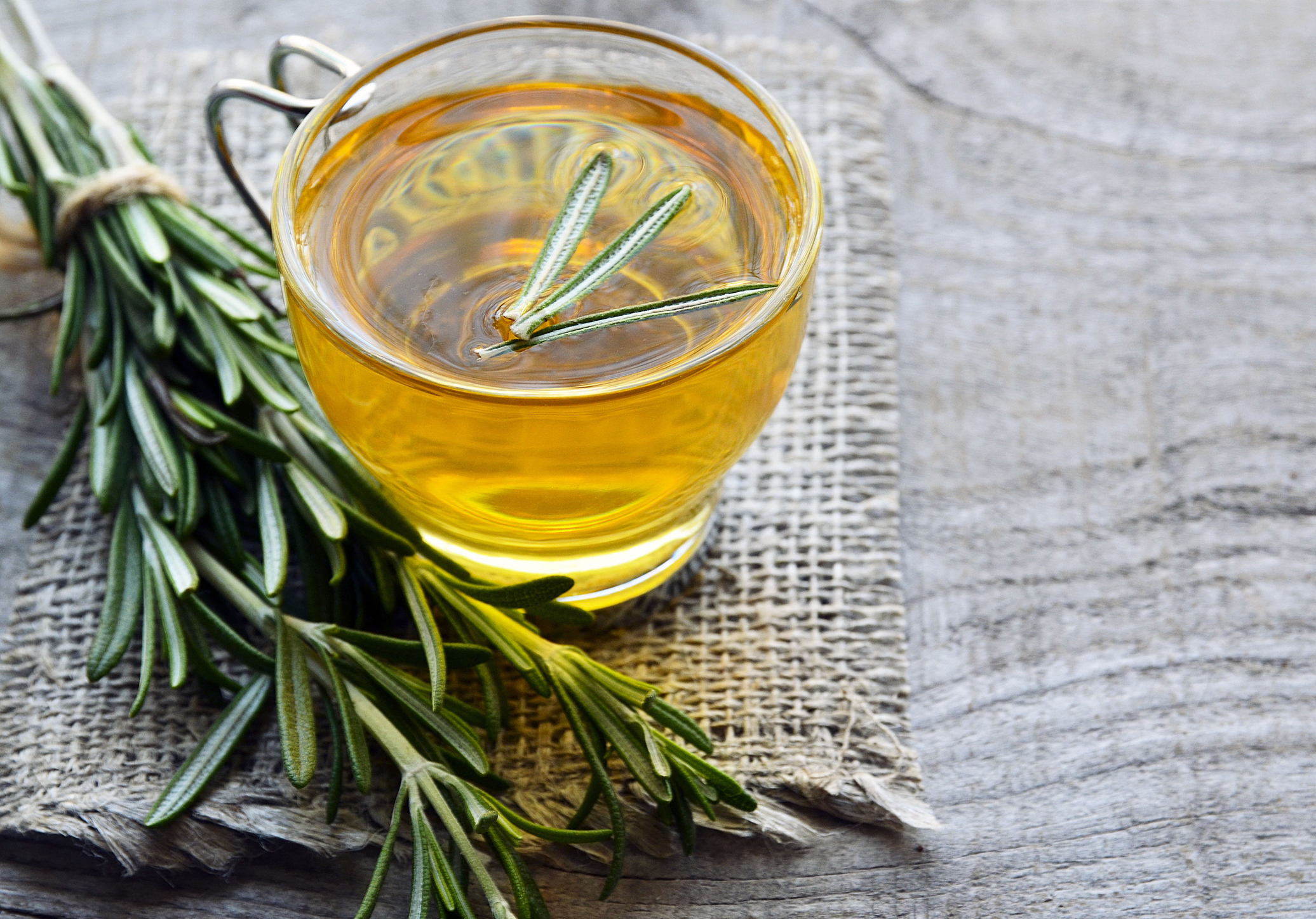
Rosemary tea has a distinct herbal flavor, combining pine-like freshness with a slightly minty undertone. It is mildly earthy with hints of lemon and eucalyptus, delivering a fragrant and soothing drinking experience. Some describe the taste as crisp with a refreshing aftertaste.
Health Benefits of Rosemary:
Antioxidant Properties:
Rosemary contains potent antioxidants like rosmarinic acid, carnosic acid, and flavonoids. These antioxidants help neutralize free radicals in the body, which may reduce oxidative stress and inflammation, promoting overall cellular health.
Digestive Aid:
Drinking rosemary tea may support digestion by relieving symptoms of bloating, gas, and indigestion.
Cognitive Support:
Studies suggest rosemary may improve cognitive function and memory due to its ability to increase blood circulation and protect brain cells from oxidative damage.
Anti-inflammatory:
The compounds in rosemary also exhibit anti-inflammatory properties, which may help reduce inflammation in the body and soothe discomfort.
Possible Side Effects of Rosemary Tea:
Allergic Reactions:
In rare cases, people allergic to rosemary may experience reactions such as skin rashes, itching, or swelling.
Pregnancy:
Large amounts of rosemary (beyond culinary use) are not recommended during pregnancy as it may stimulate uterine contractions.
Blood Pressure:
Rosemary may elevate blood pressure. If you have hypertension or are on blood pressure medication, it’s advisable to consult a doctor before drinking rosemary tea regularly.
Kidney Irritation:
Consuming excessive amounts of rosemary tea could irritate the kidneys or digestive tract in sensitive individuals.
Rosemary tea is a low-calorie, hydrating drink with antioxidant and anti-inflammatory benefits, making it a healthy addition to your daily routine when consumed in moderation.
Rosemary Tea Recipe
Ingredients:
1 teaspoon fresh rosemary leaves
1 cup boiling water
Instructions:
- Boil water and let it rest for a few seconds (to slightly cool) before adding it to the rosemary leaves.
- Place the fresh rosemary leaves in a jug or teapot.
- Pour the hot water over the rosemary leaves.
- Cover the jug or teapot with a plate and allow the tea to steep for about 5 minutes.
- Strain the tea into a cup and enjoy.
Nutritional Breakdown (Per 1 Cup of Rosemary Tea):
Calories: 0-2 kcal
Carbohydrates: 0.5 g
Protein: 0 g
Fats: 0 g
Vitamin C: Trace amounts
Calcium: Trace amounts
Iron: Trace amounts
Print the Recipe Here
Disclosure: This recipe and the information provided are intended for informational purposes only. It is not a substitute for professional medical advice, diagnosis, or treatment. Always seek the guidance of your healthcare provider with any questions you may have regarding a medical condition or before making any changes to your health regimen.