

How to Make Matcha Green Tea Latte

September 9, 2024
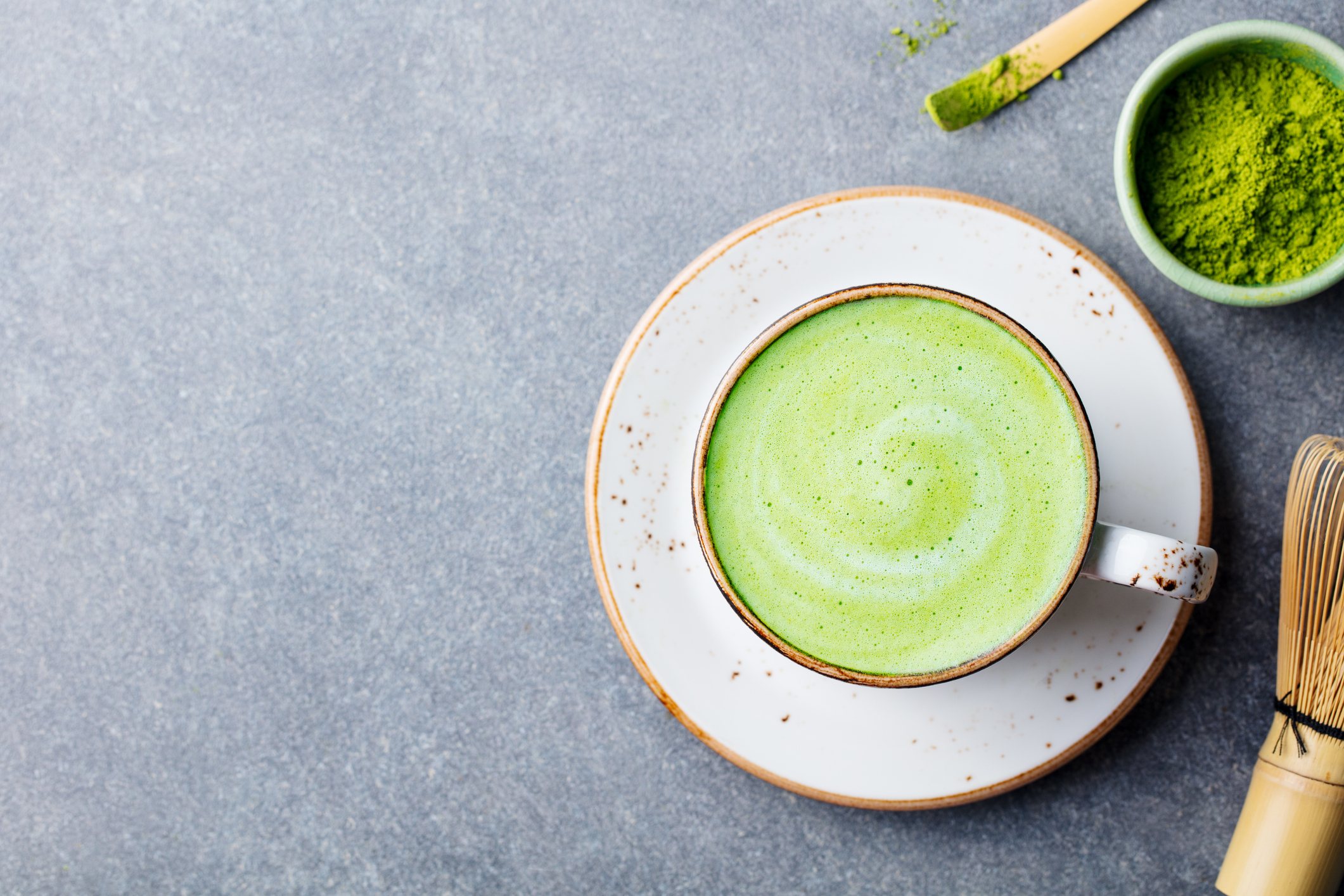
This Matcha Green Tea Latte has a beautifully complex flavor profile:
Matcha provides a rich, earthy, and slightly grassy taste, with a natural sweetness and mild bitterness that is balanced by the other ingredients.
Cinnamon adds a warm, sweet-spicy note that enhances the matcha’s natural flavors while giving the latte a cozy feel.
Star Anise introduces a subtle licorice-like flavor, adding depth and a hint of sweetness.
Coconut Milk brings a creamy texture and mild tropical flavor, which softens the earthiness of the matcha and creates a smooth, rich mouthfeel.
Optional Sweetener can further balance the bitterness of matcha, making the latte more indulgent and soothing.
Overall, this latte blends herbal, slightly bitter, sweet, and spicy notes, making it both refreshing and warming, depending on whether you enjoy it hot or cold.
What is Matcha and How is it Made?
Matcha is a finely ground powder made from specially grown and processed green tea leaves. Unlike regular green tea, where leaves are steeped and discarded, matcha involves consuming the entire leaf, which leads to a more concentrated intake of nutrients.
The process of making matcha begins with shading the tea plants from direct sunlight for about 20–30 days before harvest. This increases chlorophyll levels in the leaves, which enhances their vibrant green color and boosts the production of amino acids, particularly L-theanine. After harvesting, the leaves are steamed, dried, and de-stemmed, leaving behind the “tencha” leaves. These are then stone-ground into the fine powder known as matcha.
Health Benefits of Matcha
Rich in Antioxidants
Matcha is packed with catechins, a type of antioxidant, particularly EGCG (epigallocatechin gallate), which has been linked to various health benefits, such as fighting inflammation, preventing heart disease, and even reducing the risk of cancer.
Boosts Energy and Focus
Matcha contains a moderate amount of caffeine, but unlike coffee, it also has L-theanine, which promotes a calm alertness. This combination provides a stable and longer-lasting energy boost without the jittery side effects that caffeine can sometimes cause.
Supports Weight Loss
Matcha may help increase metabolism and enhance fat burning. Studies have shown that green tea extracts, particularly the catechins, can boost thermogenesis, which is the body’s rate of burning calories. Drinking matcha regularly can support weight loss efforts.
Detoxifies the Body
Because the tea leaves are shaded before harvesting, matcha is high in chlorophyll, which has detoxifying properties. Chlorophyll helps remove heavy metals and harmful chemicals from the body, promoting a natural cleanse.
Enhances Brain Function
The combination of caffeine and L-theanine found in matcha enhances brain function, improving attention, memory, and reaction time. L-theanine promotes relaxation without drowsiness, making matcha a great option for focus and mental clarity.
Supports Heart Health
Drinking matcha may lower the risk of heart disease by reducing LDL cholesterol and triglycerides, while also improving blood vessel function.
Possible Side Effects of Matcha
Excessive Caffeine Intake
While matcha has less caffeine than coffee, drinking too much can lead to symptoms like headaches, insomnia, irritability, or heart palpitations, particularly in people sensitive to caffeine. It’s best to limit intake to about 1–2 cups a day.
Digestive Issues
Some people may experience stomach upset or constipation when consuming large amounts of matcha due to its caffeine content and the concentration of tannins. Drinking it on an empty stomach may exacerbate this.
Potential Contaminants
Matcha grown in areas with poor soil or environmental pollution may contain heavy metals, such as lead or mercury. Choosing organic matcha from reputable sources can minimize this risk.
Interaction with Medications
Matcha, like other green teas, may interact with certain medications, particularly those for blood pressure or blood thinners. It’s important to consult with a healthcare provider if you’re on medication.
In moderation, matcha offers many health benefits, especially for energy, focus, and overall well-being.
However, it’s important to be mindful of its caffeine content and possible interactions with certain medications.
Matcha Green Tea Latte Recipe
(Makes 1 cup)
Ingredients:
½ stick cinnamon
1 star anise
¾ cup boiling water
1 teaspoon matcha powder
¼ cup coconut milk (or milk of choice)
Sweetener (optional)
Instructions:
- In a cup, place the cinnamon stick and star anise. Pour the boiling water over the spices, cover the cup, and let it steep for at least 5 minutes to infuse the flavors.
- In another cup, whisk together 1 teaspoon of matcha powder and ¼ cup coconut milk until smooth and well combined.
- Remove the cinnamon stick and star anise from the steeped water. Slowly pour the spiced hot water into the matcha mixture.
- Sweeten to taste if desired.
- Optionally, heat the latte in a small pan if you prefer it hotter. You can also serve this latte over ice for a refreshing cold drink.
Notes:
- Heating the latte on the stove after combining the ingredients enhances the warmth.
- For an iced version, simply pour the latte over a glass of ice.
Nutritional Breakdown (per serving):
Calories: 55 kcal
Carbohydrates: 4g
Protein: 1g
Fat: 4g
Fiber: 2g
Sugar: 1g
Calcium: 12mg
Iron: 0.5mg
Potassium: 100mg
Note: The breakdown assumes no sweetener is used. Adding sweetener will change the nutritional values slightly depending on the type and amount used.
Print the Recipe Here
Disclosure: This recipe and the information provided are intended for informational purposes only. It is not a substitute for professional medical advice, diagnosis, or treatment. Always seek the guidance of your healthcare provider with any questions you may have regarding a medical condition or before making any changes to your health regimen.